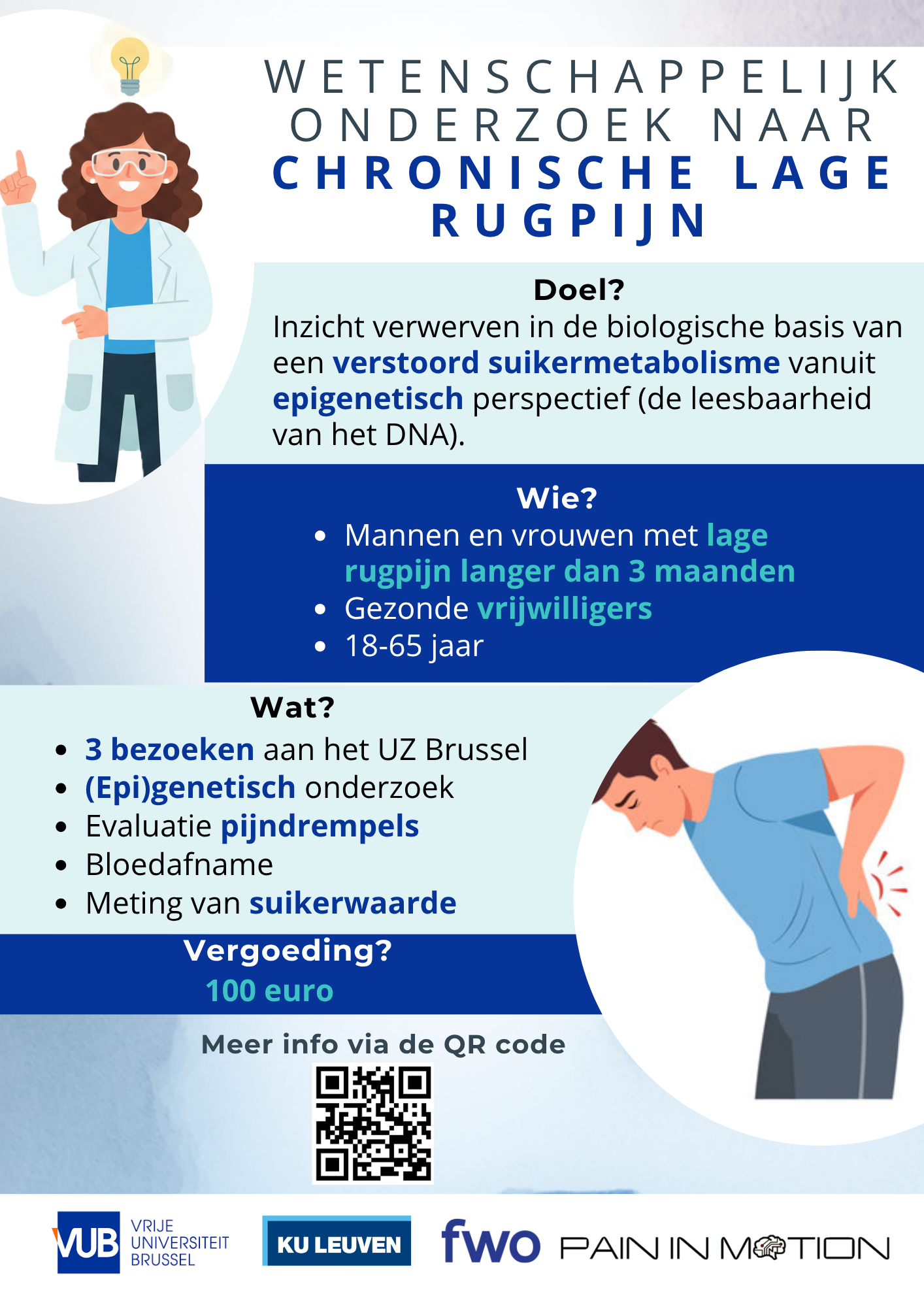
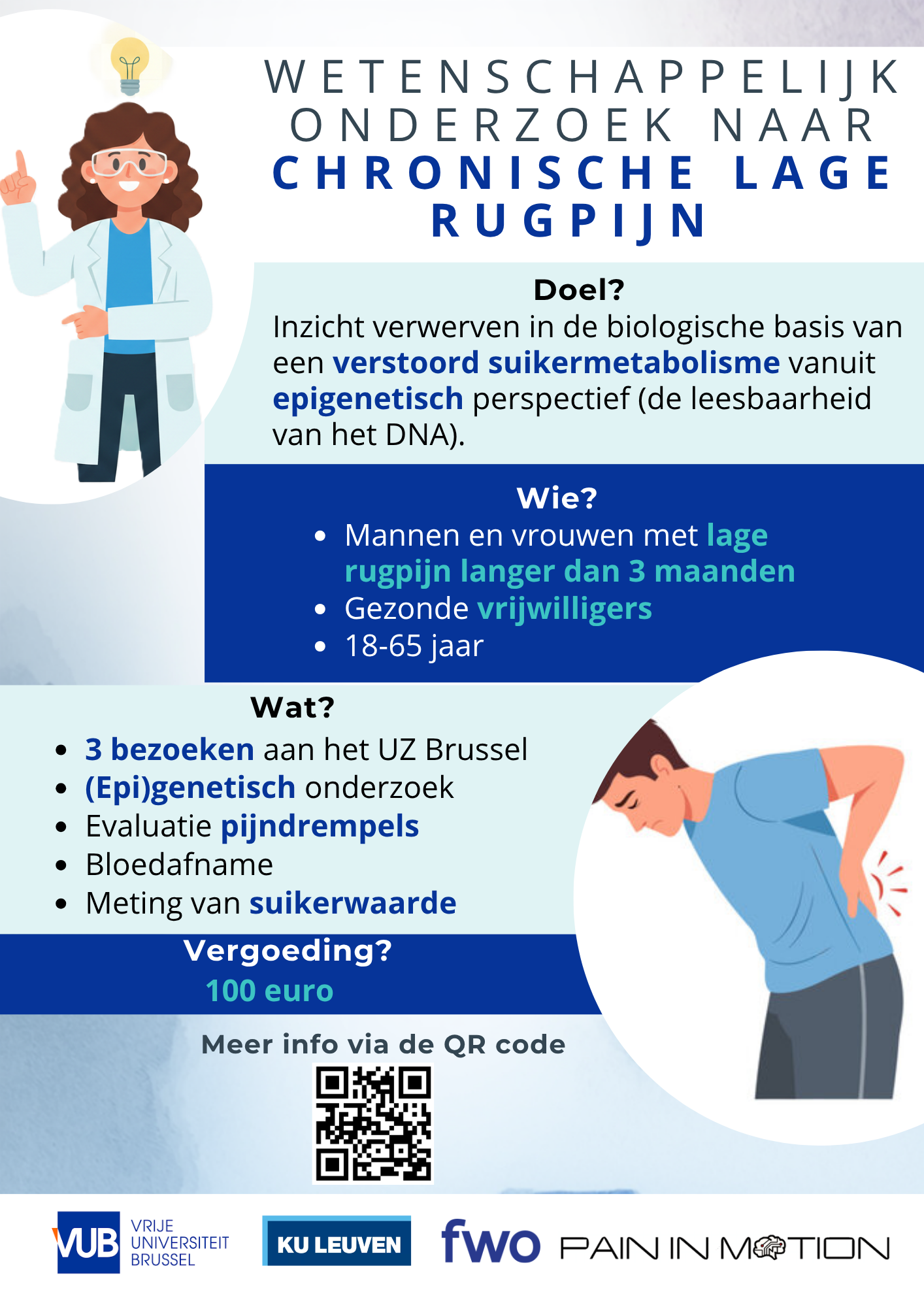
Patients with low back pain metabolize sugar differently
Chronic low back pain (CLBP) is defined as pain for at least 3 months every day and has no structural cause, such as spinal pathologies, in 90% of cases. This inability to identify the root cause leads to overuse of painkillers and surgery. However, recent research lifts a corner of the veil as to why some people experience low back pain although no structural changes are present.
A study from our group, by Dr. Ömer Elma, found that patients with CLBP experience higher blood sugar spikes, know as the postprandial glycaemic response (PPGR), after consuming glucose compared to healthy controls. This adds to growing evidence linking CLBP to metabolic issues like insulin resistance and elevated blood sugar levels. But how does sugar relate to pain?
The missing link: the IGF1/GH-axis
The answer might lie in the insulin-like growth factor 1 (IGF1) / growth hormone (GH) axis. GH raises blood sugar levels and stimulates IGF1 production in the liver, while IGF1 counteracts GH’s effects through inhibition of GH, decreasing blood sugar levels and increasing insulin sensitivity. Beyond sugar metabolism, lower levels of both hormones are linked with heightened pain sensitivity in several pain populations, including CLBP. Targeting this axis could offer a brand-new target for chronic pain management.
How daily habits influence pain and glycaemic response
A key factor regulating IGF1 is glycaemic index (GI), which rates different foods on a scale between 0 and 100 based on their PPGR. Foods with high GI, such as white bread, sodas and potatoes, result in blood sugar spikes, which are linked to insulin resistance and a suppressed IGF1 response. Conversely, low-sugar diets lead to stable blood sugar levels, optimizing insulin and IGF1 response.
Additionally, deep sleep is prime time for GH production, significantly affecting IGF1 levels on a daily basis. Poor sleep reduces nightly GH and IGF1 production, impairing IGF1 response the next day.
Lastly, physical activity is a shortcut for clearing glucose from the blood as it increases the amount of glucose transporters in the cell membrane of muscle cells. Basically, it turns the muscles into a glucose sponge without the need for insulin, regulating insulin and IGF1 production.
The GLOW study: mapping the connection
To map these connections, I will investigate the role of lifestyle on the IGF1/GH-axis regulation in CLBP. My thesis is part of the GLOW project, in which I collaborate with a fellow PhD student, Jinane Ben Amar, whose research focuses on epigenetic mechanisms (the so-called on-and-off switches of our genes).
Over three weeks, we monitor diet, physical activity, sleep, epigenetic markers, metabolic markers (including the IGF1/GH-axis and PPGR), pain sensitivity and well-being in patients with CLBP and healthy controls. Additionally, the study integrates two interventions:
With this data, we can investigate standardized and real-life effects of high, medium and low GI foods on the IGF1/GH-axis in CLBP and whether this is associated with differences in pain sensitivity and lifestyle between patients and controls.
Our findings could pave the way towards new treatment options for CLBP, including the use of continuous glucose monitors, lifestyle changes and blood sugar lowering therapies, such as metformin.
Call to action
Do you want to play a key role in our research? Are you between the ages of 18 and 65 and without a history of diabetes or other systemic diseases? Go have a look at our website (paininmotion.be/glow) or contact us via glow@vub.be.
Joni Michiels
Biomedical scientist and PhD student at Pain in Motion
2026 Pain in Motion
References and further reading:
Elma Ö, Tümkaya Yılmaz S, Nijs J, et al. Impaired Carbohydrate Metabolism among Women with Chronic Low Back Pain and the Role of Dietary Carbohydrates: A Randomized Controlled Cross-Over Experiment. J Clin Med. 2024;13(7):2155. Published 2024 Apr 8. doi:10.3390/jcm13072155. https://pubmed.ncbi.nlm.nih.gov/38610920/
The Lancet Low Back Pain series: https://www.thelancet.com/series-do/low-back-pain
Dra. Jinane Ben Amar’s blogpost on the role of epigenetic mechanisms in the IGF1/GH-axis in CLBP.